Electrification improves public health
Reduced emissions lead to better air quality
Around 6,000 people die prematurely every year in Sweden due to air pollution, according to a new study from SMHI and Umeå University. Although the study shows a future scenario with reduced emissions, primarily from the transport sector, levels are expected to exceed WHO guidelines even in 2030.
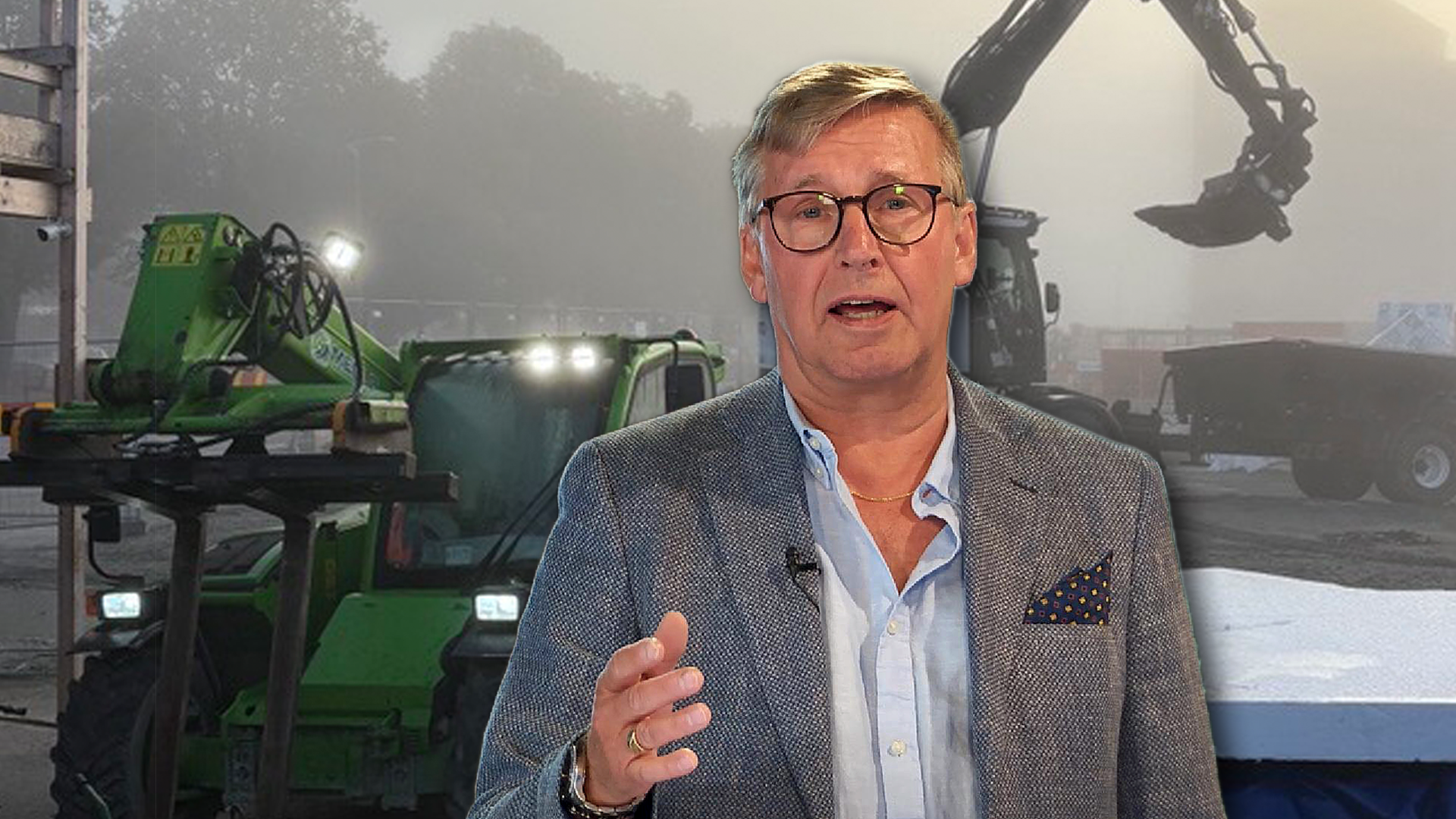
In urban areas, 14 percent of road traffic emissions are estimated to come from the non-road mobile machinery sector, where there is more to be done to cut emissions, according to Per Erik Österlund, an expert in electrification.
With many years’ experience of public procurement of construction contracts for the City of Stockholm, Per Erik Österlund is well versed in most aspects of the field.
– The small machines are the real troublemakers, he says.
What he is referring to are all engines with a power output of less than 56 kW. Due to an exemption, these do not have SSE catalytic converters and are therefore unable to treat and manage nitrogen oxides properly.
– As far as particulate filters are concerned, the very smallest machines – those up to 19 kW – are also unable to capture any particles at all, so they have very high particulate emissions. On the other hand, particulate filters have been fitted to machines above 37 kW.
See the comparison between how much nitrogen oxide large and small machinery emit – demonstrated by Per Erik Österlund, expert in public procurement of works contract.
Electric machines – no noise and no emissions
In addition to the approximately 6,000 premature deaths, the pollution can also be linked to thousands of cases of diseases such as dementia, COPD and diabetes, according to the report by the SMHI and Umeå University, which was published at the end of September 2026.
In order to reduce emissions, improve air quality and minimise the impact on the climate, local authorities must comply with strict emission requirements set out in EU regulations. According to Per Erik Österlund, there is only one solution for achieving these targets – namely, electrification.
– As soon as you burn anything – whether it’s fossil fuel or renewable fuel – it results in emissions. An HVO engine emits just as much NOx as a standard diesel engine. Switching to an electric engine means there are no emissions at all from the engines. It also reduces noise and vibrations.
Bonuses and rewards benefit those who adapt
To drive this transition forward, politicians and public authorities have introduced both procurement requirements and incentive schemes. For example, the Swedish Energy Agency has been tasked by the government with paying a climate bonus for environmental machinery with a continuous engine power of at least 10 kW, covering up to 50 per cent of the additional cost compared with an equivalent fossil-fuelled machine.
The Swedish Transport Administration is introducing a bonus of 2.50 SEK per kWh of electricity used by heavy goods vehicles and construction machinery fitted with zero-emission solutions in construction contracts. This applies to all new construction contracts and remains in force until 2029. Through this bonus, the Swedish Transport Administration aims to create the conditions necessary to be able to impose requirements for heavy zero-emission vehicles and construction machinery from 2030 at the latest. The zero-emission bonus does not apply to light vehicles, as the Swedish Transport Administration already imposes requirements in this area through its procurement processes.
ETP – a reliable partner in electrification
It’s not just about the climate and carbon dioxide. It’s about the environment and the air we breathe in the places where people live, work and spend their time.
– Electrifying the machinery sector can yield significant benefits, both for the environment and for public health,” says Christer Sigurd, CEO of ETP, a system integrator that helps machinery manufacturers to design and develop electric machines.
At ETP’s head office in Partille, staff have noticed the increase in demand and have therefore made a major effort to meet this need.
– We have secured stable agreements with suppliers and expanded our expertise in the high-voltage sector. This enables us to be a reliable partner for machine manufacturers and drive the transition toward emission-free construction projects.
See also – The road to electrification:
In the webinar ‘The Road to Electrification’, you can find out more about why we should electrify, how major cities are procuring zero-emission contracts, and what machinery manufacturers and construction companies stand to gain from making the transition.
Shorten development times and reduce the risks associated with your electrification programme
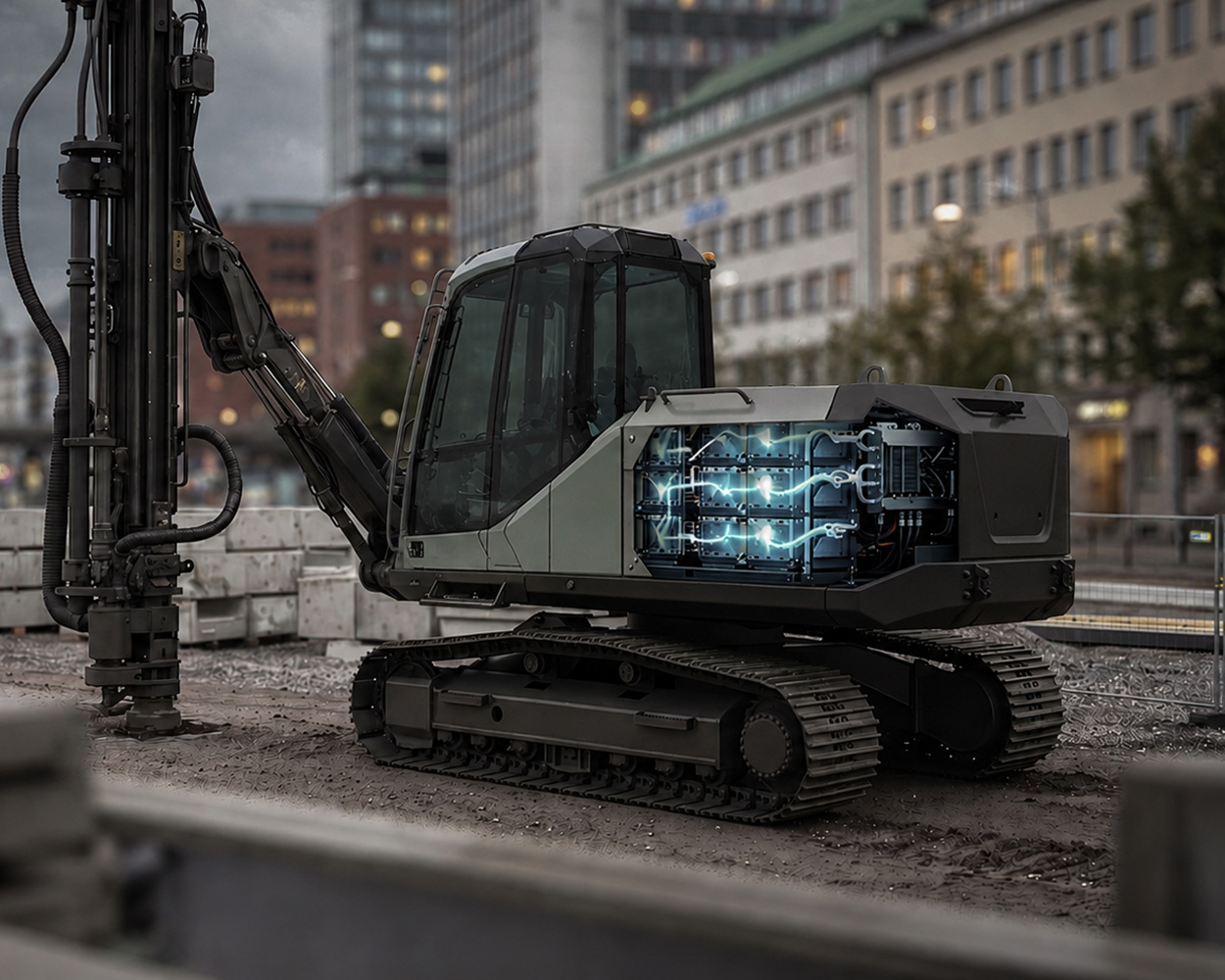
ETP helps machine manufacturers take a holistic approach to electrification. With the right system architecture from the outset, we can reduce development risks, avoid costly rework and shorten the path to a working solution.
Learn more about The Road to Electrification
In the webinar series The Road to Electrification, Anders Johansson from Swepac and other industry experts share their experience and knowledge regarding the electrification of mobile machinery. Among other topics, you will learn about market drivers and the key technical choices required for success.
Se del ett och två redan idagGet in touch with ETP
With nearly 50 years of experience developing solutions for mobile machinery, we understand what it takes to succeed. Partnering with ETP makes the transition easier – and the solution better. Contact or follow us to find out more.

Contact & Staff

Subscribe to our Newsletter
